
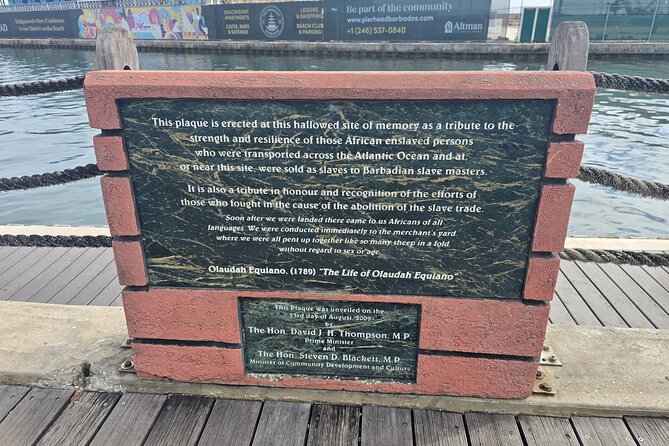
Reviewed · BRIDGETOWN WALKING TOURS
Unapologetically BLACK! A Heritage Walking Tour of Bridgetown
Bridgetown’s past comes into sharper focus on this Black heritage walking tour, which links streets, churches, gardens, and waterfront sites to the people who shaped Barbados. You’ll hear about Rachel Pringle’s business life, Samuel Jackman Prescod’s political rise, the 1937 rebellion, and those who left for Liberia. This is history with real places beneath your feet, not a string of dates in a museum.
I like two things here. First, the tour gives attention to Black resistance and achievement, not only the suffering caused by enslavement. Second, its private format lets your group travel at its own pace with a guide such as Natasha, whose warm and clear approach earned strong praise. The main drawback is that the subject matter can be emotional, and two hours allows only a focused introduction rather than a complete account of Barbados’ past.
Key points to know before you book
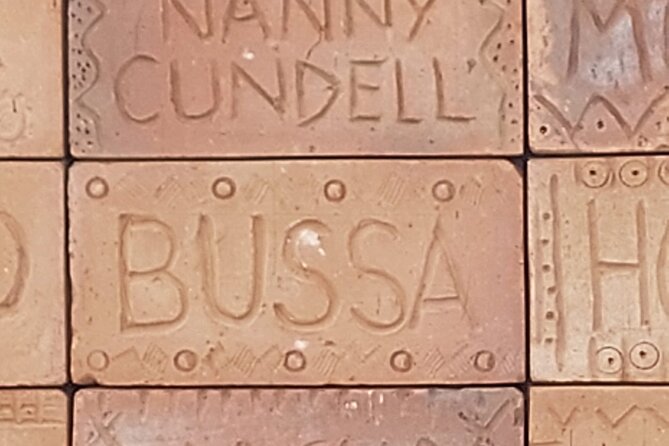
- Rachel Pringle’s story brings entrepreneurship and Black women’s economic lives into the center of Bridgetown’s history.
- Samuel Jackman Prescod connects the walk to Barbados’ long fight for political representation.
- The 1937 rebellion gives the tour a direct link to labor unrest and the demand for equality.
- Jubilee Gardens and the Careenage reveal how public spaces and the waterfront connect to Black community life and migration.
- The Cage and St. Mary’s Church show two very different sides of Bridgetown’s past, from harsh control to faith and community.
- A private, two-hour format suits visitors who want a direct conversation rather than a large group outing.
Bridgetown’s Black story begins at Independence Square
The tour starts at Independence Square in Bridgetown and returns there at the end. That simple arrangement works well for a walking experience because you can arrive by public transportation, meet your guide in a central part of the city, and finish where you began.
From the opening moments, expect the focus to be clear. This is not a general sightseeing walk with a few side notes about slavery. It is built around the lives, choices, struggles, and achievements of Black Barbadians, with Bridgetown serving as the setting.
That focus matters. Many city tours mention colonial buildings, military events, and famous officials while giving little room to the people who worked, traded, worshipped, protested, and built daily life. Here, the central question is different: how did Black Barbadians shape the city and push against the limits placed on them?
The meeting point also makes the tour easy to pair with other Bridgetown plans. Since the walk lasts about two hours and begins at 10:00 a.m. on Tuesday, you can still have much of the afternoon available. The published operating period runs from March 16, 2025, through January 3, 2027, with Tuesday listed as the tour day.
More guided walks around Barbados
- Historic Walking Tour of Bridgetown Barbados
★ 5.0 · 232 reviews - A Guided Walking Tour of a History of a City – Bridgetown
★ 5.0 · 228 reviews - Bridgetown: A Guided Walking Tour of The History of a City
★ 4.6 · 213 reviews
Rachel Pringle and the business of survival
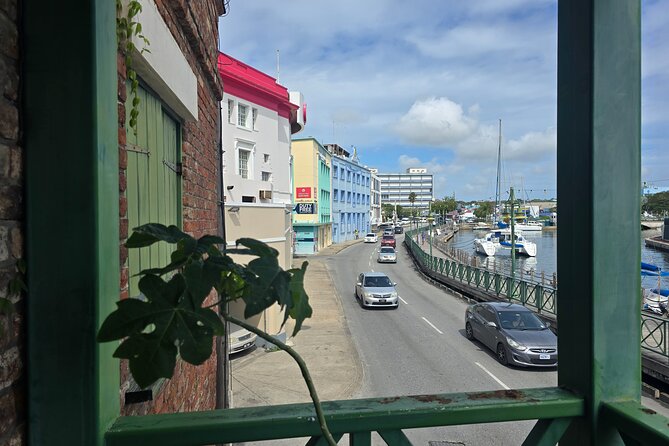
Rachel Pringle is one of the figures that gives this walk its human scale. Her story points to the ways Black women created livelihoods and influence in a society shaped by slavery, class barriers, and colonial power.
You are not simply hearing about a famous name. You are considering what it took for a Black woman to build an enterprise and make decisions in a city where freedom, money, and social status were tightly controlled. That makes Pringle’s place in the route especially useful for anyone who wants to understand more than the formal political record.
I appreciate this part of the tour because it widens the picture. Black history is often presented through laws, rebellions, and male political leaders. Rachel Pringle brings business, gender, and personal initiative into the conversation. Her story helps you see Bridgetown as a place where people negotiated power in practical ways every day.
The tour does not provide enough time for a long biographical treatment of every figure. You should expect an engaging introduction to Pringle’s importance, not a full academic study. Still, her inclusion gives the walk a strong beginning and keeps the story grounded in individual action.
Samuel Jackman Prescod and the fight for a political voice
Samuel Jackman Prescod adds another layer to the route. His path to political prominence connects the walk to the question of who had the right to speak, vote, and shape public decisions in Barbados.
This is one of the tour’s most useful connections for visitors who know little about Barbadian politics. You can see that freedom did not arrive as one clean event. Political change came through long pressure, public argument, and the efforts of people who challenged an unequal system.
Prescod’s story also balances the tour’s attention to rebellion and hardship. The walk is not only about what was done to Black Barbadians. It also examines how Black leadership developed and how individuals moved into public life despite major restrictions.
Guide Natasha received especially strong praise for explaining Bridgetown’s history clearly and for creating a hospitable atmosphere. That matters on a subject like this. Good guiding can help you follow the link between one person’s life and the wider political changes taking place around him.
The 1937 rebellion brings urgency to the route
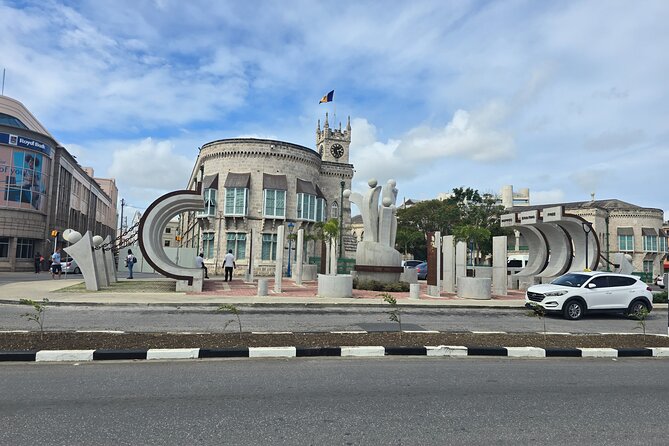
The 1937 rebellion is one of the key historical moments covered on the walk. Its inclusion gives the tour a direct connection to Barbados’ struggle for equality and to the anger produced by harsh social and economic conditions.
You can expect this portion to feel more serious. The tour asks you to think about why people rebelled, what they were demanding, and how unrest exposed the gap between the image of colonial order and the lived experience of ordinary Black Barbadians.
I like the way this event fits into the route because it prevents the past from feeling safely finished. The walk is not only about earlier centuries. It shows that the fight for fair treatment continued into the modern era, with public protest forcing attention onto conditions that could no longer be ignored.
The emotional weight should not surprise you. One person who took the tour described moments of sadness when confronting the treatment endured by ancestors. You may find the same. That is not a flaw, but you should choose this experience with the understanding that it deals honestly with cruelty, resistance, and loss.
More history tours around Barbados
- St. Nicholas Abbey Heritage Great House and Rum Distillery Tour
★ 4.5 · 257 reviews - Walking Tour of Historic Bridgetown
★ 5.0 · 144 reviews - Bridgetown: Historic Guided Walking Tour
★ 4.8 · 85 reviews - Barbados: St Nicholas Abbey Distillery, CTH Heritage Railway
★ 4.6 · 33 reviews
Jubilee Gardens and the memory held by public space
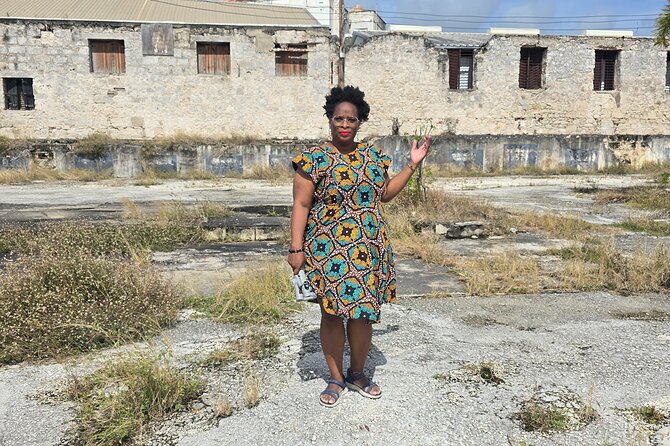
Jubilee Gardens is another important stop. The gardens provide a public setting where the tour can discuss memory, community, and the meaning of place in Bridgetown.
The supplied route description ties Jubilee Gardens to several historical themes, including Black life in the city and the people connected with the movement to Liberia. That makes the stop more than a pause in a green space. It helps show how public areas can carry stories that are easy to miss when you are only looking at grand buildings.
The garden setting may also give the walk a change of pace. Two hours on city streets can pass quickly, but a stop in an open public area gives you a moment to listen and take in the wider context. The tour is still a history lesson, but it is not confined to formal institutions.
You should not expect a long break or a separate attraction admission here. The itinerary treats the location as part of the walking route, and admission is listed as free. Its value comes from the explanation attached to the place.
The Careenage and the road to Liberia
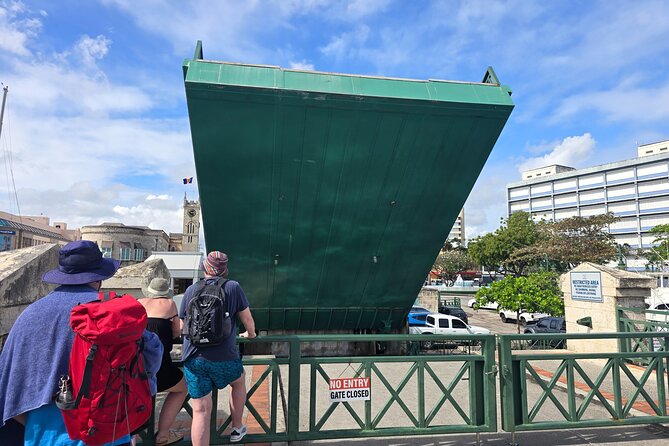
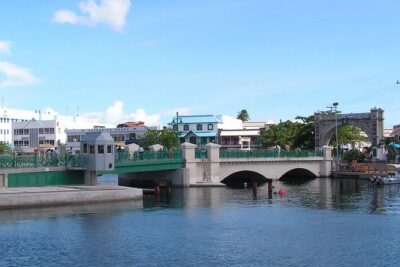
The Careenage brings Bridgetown’s waterfront into the story. Here, the tour addresses Anthony Barclay and the departure of people who traveled to Liberia.
This subject adds movement to the history. Black Barbadians were not only rooted in the streets of Bridgetown. Some also looked beyond the island and made difficult decisions about leaving, resettling, and seeking a different future.
The connection to Liberia is worth hearing because it complicates any simple idea of freedom. Leaving home could be an act of hope, but it also meant separation and uncertainty. A waterfront location makes that idea especially powerful: the same harbor that supported trade and commerce also served as a point of departure.
The route does not promise a full account of Liberian settlement or every person involved. Instead, you get a focused look at the local connection, including Anthony Barclay and those who left from the Careenage. For a two-hour walk, that is a sensible scope.
St. Mary’s Church and the role of faith
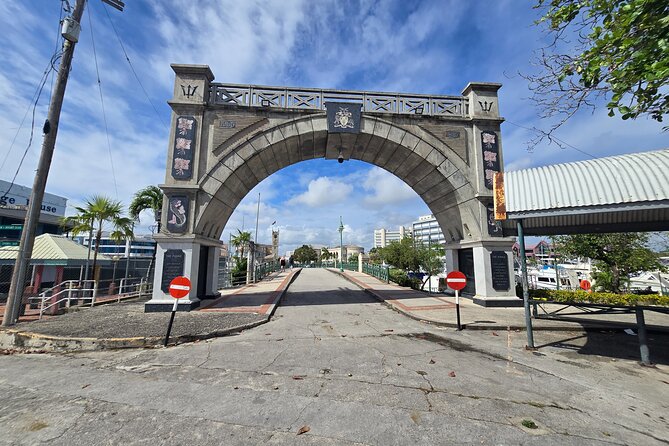
St. Mary’s Church brings faith and community into the route. Churches can look quiet from the outside, but they often hold layers of social history. Here, the stop helps you consider how religious life supported Black communities and gave people a place to gather, remember, and maintain ties.
This part of the walk offers a useful counterpoint to the political and economic subjects covered elsewhere. Not every form of resistance appears in a law or a protest. Community institutions, worship, and shared identity also helped people endure difficult conditions and preserve a sense of belonging.
The church is presented as a historical stop along the route, not as a separate paid attraction. The itinerary does not specify interior access, so you should not assume that the tour includes a detailed indoor visit. Its importance may be explained from the surrounding public area.
That limitation is worth keeping in mind. If you want a tour centered on architectural interiors, this is not the best match. If you want to understand how faith fits into Bridgetown’s Black community story, the stop adds useful depth.
The Cage reveals the harsh side of colonial control
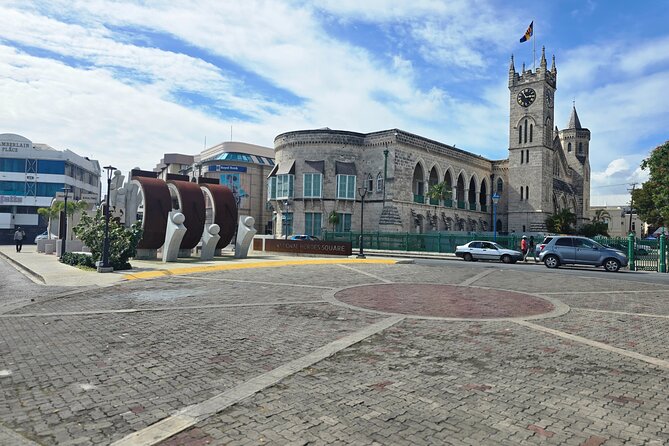
The Cage is one of the route’s most difficult sites. Its history points to the control and punishment used against enslaved people, bringing the violence of the system into a specific Bridgetown setting.
A stop like this can change the feel of the entire walk. Earlier stories about enterprise, leadership, and migration remain important, but the Cage makes clear how narrow the available choices could be. It shows the machinery of control behind the broader social order.
I value the inclusion because it keeps the tour from turning Black history into a series of uplifting success stories. Achievement and resilience matter, but they should not erase the cruelty people faced. The route holds both truths together.
You may find this section upsetting. The tour’s subject matter includes harsh treatment and the realities of enslavement, so it is best suited to people ready for a serious historical experience. Parents should use their own judgment when deciding if the tone is right for younger children.
A private walk with room for direct questions
This is a private activity, so only your group participates. That changes the experience in practical ways. You do not have to compete with a large crowd to hear the guide, and you can ask questions about the people or places that interest you most.
The private format is especially useful here because the subject is personal and sometimes painful. You may want to pause over a family connection, ask for more context about the 1937 rebellion, or spend extra time on the story of a particular figure. A private group gives you a better chance to shape the conversation.
The tour lasts about two hours. That is long enough to create a clear narrative through Bridgetown without taking up an entire day, but it also means the guide must keep a steady pace. Do not expect every important figure or event in Barbadian history to appear.
You should have a moderate level of physical fitness. This is a walking tour, and the information provided does not promise frequent seating or a shortened route. Service animals are allowed, and the meeting point is near public transportation.
Is $50 a fair price?
At $50 per person, the value depends on what you want from a Bridgetown tour. If you are looking for a quick orientation to the city’s most famous buildings, a general sightseeing walk may offer more conventional coverage. This experience earns its price through its narrow focus, private format, and attention to stories that are often left out.
The cost is easier to justify for a small group that wants a serious, discussion-based outing. You are paying for about two hours with a dedicated guide rather than joining a large public group. The itinerary also covers several linked subjects, from Black business and politics to rebellion, migration, faith, and enslavement.
Admission to the listed stops is free, so the fee is for the guide and the private experience, not entry tickets. That is useful to know when comparing it with tours that include several paid attractions.
With only a few ratings currently available, I would treat the perfect rating as encouraging but not as a reason to ignore the practical details. The strongest praise focuses on Natasha’s clear knowledge of Bridgetown and her warm manner. Those qualities matter greatly on a history walk, where the guide’s handling of painful material can shape your entire experience.
Who should book this Bridgetown walk?
I would choose this tour if you want Barbados’ Black history to be the main subject of your time in Bridgetown. It is a strong fit for visitors interested in slavery, emancipation, political change, Black entrepreneurship, community institutions, and the continuing struggle for equality.
It also suits people who prefer a private setting. Families, couples, and small groups can ask questions without worrying about a large audience, though the serious material may not suit every child.
You may want to skip it if you prefer a light city stroll, a food-focused outing, or a tour built around architecture alone. The walk is not designed to keep things breezy. Its strongest moments come from confronting difficult history and considering how people responded to it.
Book with comfortable walking clothes and enough attention for a serious conversation. The Tuesday 10:00 a.m. start, central meeting point, and return to Independence Square make the logistics simple. Just remember that the tour requires good weather, and cancellations caused by poor weather result in another date or a full refund.
Final decision: book it for focused history, not general sightseeing
I recommend Unapologetically BLACK! if you want Bridgetown explained through the lives and struggles of Black Barbadians. Rachel Pringle, Samuel Jackman Prescod, London Bourne, Anthony Barclay, and the people connected to the 1937 rebellion give the route a human focus.
The walk is short enough to fit into a city day, yet serious enough to leave you thinking after it ends. Choose it for direct history, a private guide, and places such as Jubilee Gardens, St. Mary’s Church, the Careenage, and the Cage. Pass if you want a relaxed sightseeing loop with little emotional weight.
FAQ
Where does the tour begin?
The tour begins at Independence Square in Bridgetown, Saint Michael, Barbados.
Where does the tour end?
The activity ends back at the meeting point at Independence Square.
How long does the walking tour last?
The tour lasts approximately two hours.
What day and time is the tour available?
The listed schedule is Tuesday at 10:00 a.m., during the operating period from March 16, 2025, through January 3, 2027.
Is this a private tour?
Yes. Only your group participates in the activity.
What places are covered?
The route focuses on Bridgetown and includes Jubilee Gardens, St. Mary’s Church, the Careenage, and the Cage, along with sites connected to Rachel Pringle, Samuel Jackman Prescod, London Bourne, Anthony Barclay, the 1937 rebellion, and departures for Liberia.
Is admission to the stops included?
The listed Bridgetown stop has free admission. The price is $50 per person.
Can I cancel for a full refund?
Yes. You can cancel at least 24 hours before the start time for a full refund. Changes or cancellations made less than 24 hours before the start time are not accepted for a refund. If poor weather cancels the tour, you will be offered another date or a full refund.
Guided walks around Barbados
- Original Bajan Walking Food Tour
★ 5.0 · 1,369 reviews - Barbados Shore Excursion: Walking Food Tour
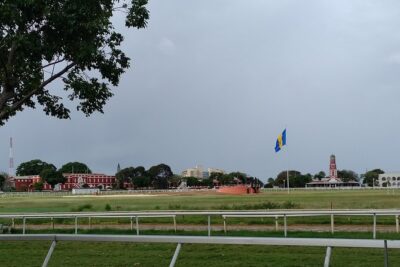
★ 5.0 · 51 reviews - Walking Tour of The Historic Garrison and its Museum – A Military Story
★ 5.0 · 23 reviews - Harrison’s Cave Tram Exploration & Enchanted Garden Walking Tour
★ 4.5 · 16 reviews
Just added around Barbados
- Barbados Paradise Tour with Hotel Transfers★ 5.0 · 5 reviews
- Barbados Highlights and Rum Tour★ 4.5 · 17 reviews
- Friday Night Live in Oistins Private Tour★ 5.0 · 17 reviews
- Snorkelling and Scenic Beauty tour of Barbados★ 5.0 · 9 reviews
- Lunch At Animal Flower Cave with Scenic Drive of Barbados★ 5.0 · 3 reviews
- Barbados Ebike Day Rental(24 hours)★ 4.5 · 8 reviews
- Bridgetown Historic Garrison A UNESCO World Heritage Site Tour★ 5.0 · 5 reviews
- Private All Inclusive Rum Journey in Barbados★ 5.0 · 15 reviews
Bridgetown Walking Tours, compared.
A Guided Walking Tour of a History of a City – Bridgetown
Read our review →
Walking Tour of The Historic Garrison and its Museum – A Military Story
Read our review →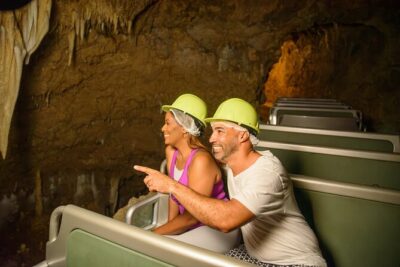
Harrison’s Cave Tram Exploration & Enchanted Garden Walking Tour
Read our review →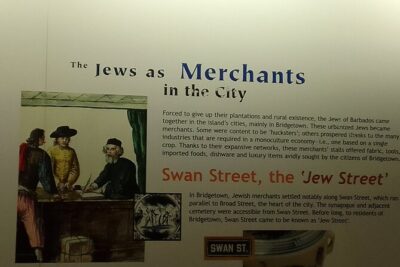
2-Hour Small Group Guided Bridgetown Historic Jewish Walking Tour
Read our review →
A two hour historic walking tour of Speightstown
Read our review →
Walking Tour at Bridgetown Discovering Hidden Treasures
Read our review →Browse the lists this tour appears in